OnStack
Board-ready sector maps.
High-level maps of three asset classes, built so decision makers and business units can present and debate the case internally. These briefs are a starting point; a tailored, asset-level map is something we build once we are engaged on the mandate.
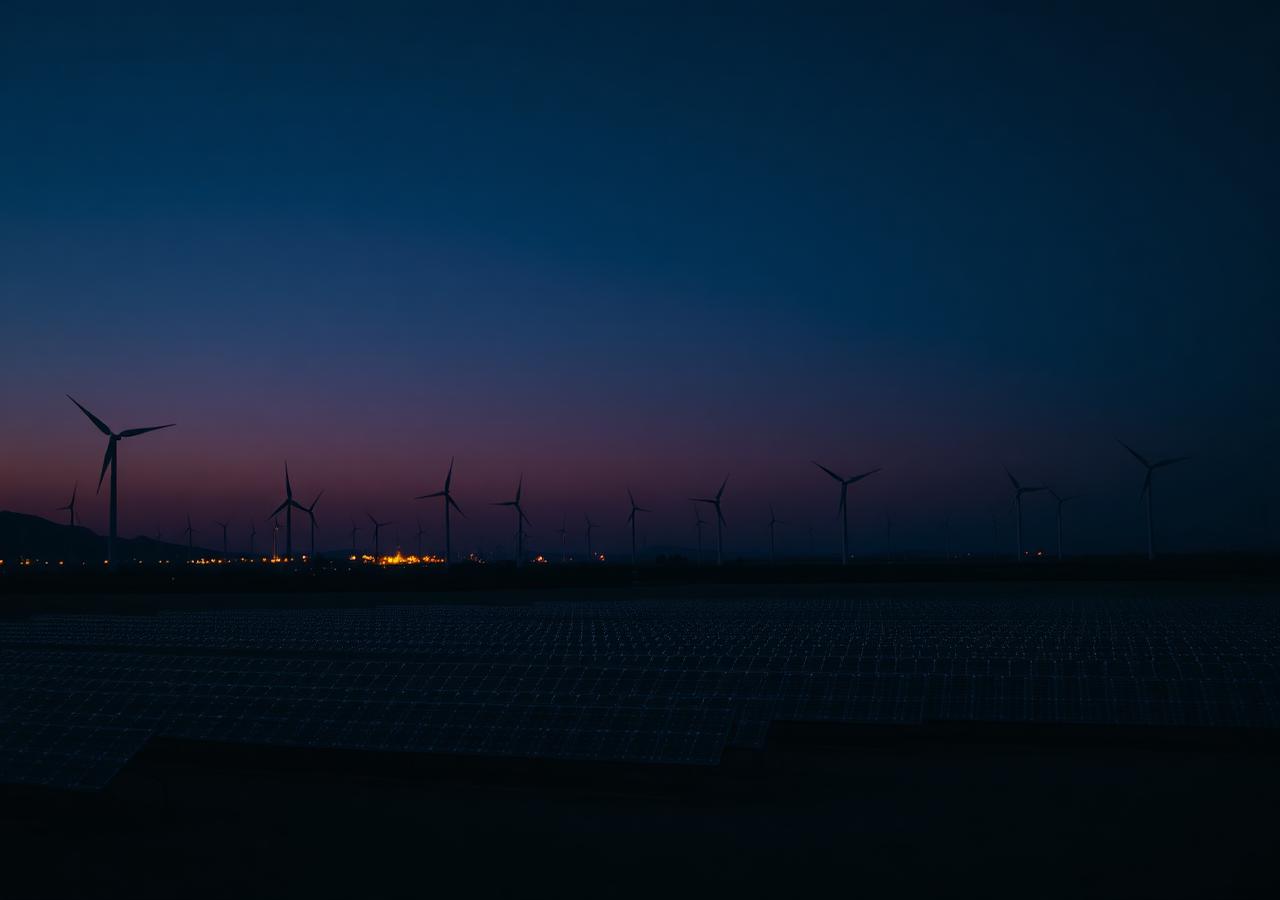
Energy & infrastructure
Utilities, IPPs and energy sponsors
Tokenized energy and infrastructure assets let utilities and sponsors raise against contracted generation without selling the underlying plant.
What gets tokenized
- Equity or unit interests in the project company holding the generating asset.
- Contracted revenue strips under a power purchase agreement.
- Construction and expansion tranches raised against a defined build.
Who this is for
- Utilities and independent power producers holding contracted generation.
- Infrastructure sponsors funding construction or expansion tranches.
- Corporate treasury and strategy teams preparing an internal case for a first onchain issuance.
What the structure looks like
- The asset sits in a dedicated SPV with perfected title, ring-fenced from the sponsor's other obligations.
- Offtake and grid revenue flows into the SPV and reaches token holders through a defined waterfall, after opex, debt service and reserve accounts.
- Token terms mirror the economic rights held in the project company.
- Where senior project debt already sits over the asset, lender consent, change-of-control and distribution lock-up provisions are mapped before anything is designed.
What drives the cost
- A fixed diagnostic phase to map the asset, contracts and the right vehicle shape.
- Build cost driven by SPV formation, contract assignment and the reporting layer.
- Ongoing cost sits in reporting, independent engineer input and distribution administration.
- Existing lender consents and intercreditor work, where the asset is already project-financed.
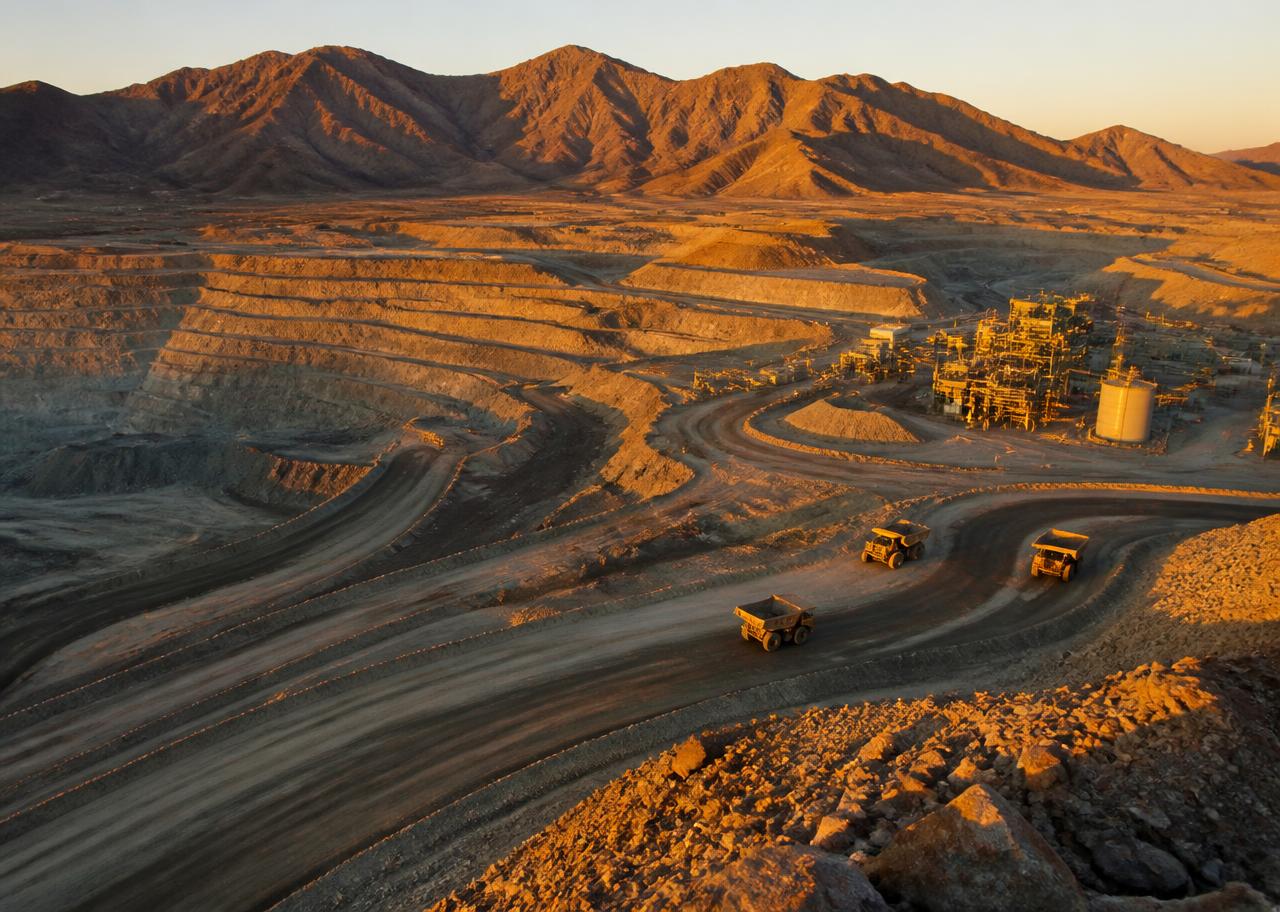
Commodities
Mining groups and resource holders
Tokenized commodities give resource holders a regulated route to raise against allocated metal, production streams or certified reserves.
What gets tokenized
- Allocated gold, silver or other metal held with a regulated vault operator.
- Production or royalty streams over a defined mine life.
- Offtake rights sold forward against certified reserves.
Who this is for
- Mining groups and resource holders with certified reserves or production.
- Traders and offtakers seeking forward sale of defined material.
- Holders of allocated metal looking for a regulated custody and issuance route.
What the structure looks like
- The physical commodity sits in a dedicated, ring-fenced SPV with a regulated custodian, separated from the operator.
- Redemption and delivery mechanics are defined before any unit is issued.
- Valuation methodology is fixed in the offering documents and repeated every period.
- Each of the three routes classifies differently. Allocated metal is a claim on a specific holding, a royalty or stream is a security over future production, and a forward offtake is a prepay. The route decides the documents.
What drives the cost
- A fixed diagnostic phase to map the asset, custody chain and redemption design.
- Build cost driven by custody arrangements, assay and attestation set-up.
- Ongoing cost sits in vault attestation cycles, insurance, competent person reporting (JORC or NI 43-101) and sanctions and AML screening.

Tokenized funds
Managers, banks and allocators
Tokenized funds move the unit register onchain, so subscription, transfer and reporting run on one record instead of three.
What gets tokenized
- Fund units across multiple share classes and currencies.
- Feeder interests for a specific investor base or strategy.
- Secondary transfer rights within an approved holder set.
Who this is for
- Managers launching a new vehicle or moving an existing register onchain.
- Banks and distributors building an allocator-facing product line.
- Allocators requiring transfer control and a clean audit trail on every unit.
What the structure looks like
- Where the jurisdiction allows it, the token is the register, so administration and the cap table stop diverging. Where it does not, the token mirrors a register that stays authoritative offchain, and we say which applies before you commit.
- Subscription, redemption and gating rules are enforced by the contract.
- Fund documents, administrator and auditor are aligned to the onchain register from day one.
- Wrapper and jurisdiction are chosen first: DIFC or ADGM funds, Cayman, Luxembourg RAIF or SICAV, each with its own transfer agency and depositary requirements.
What drives the cost
- A fixed diagnostic phase to map the fund, share classes and the target register design.
- Build cost driven by share-class design, transfer agency integration and administrator alignment.
- Ongoing cost sits in NAV publication, register operation and investor onboarding.